Blog

January 6, 2026

What to Do if You Have Dead or Warm Outlets and Switches: Causes, Risks, and Next Steps

Electrical

Discovering a dead outlet or a switch that feels warm to the touch can be alarming. These are two of the most common electrical issues homeowners face, and they are primary reasons people seek help online.

Understanding why these issues happen, and the serious risks they pose if ignored, is crucial for maintaining a safe home.

What to Do Immediately When You Find a Problem

Safety is the number one priority. Before you do any troubleshooting, assume the worst and take immediate precautions.

Immediate Action Plan:

  1. Stop Using the Outlet/Switch: Unplug all devices from a dead outlet and avoid using a warm switch entirely.
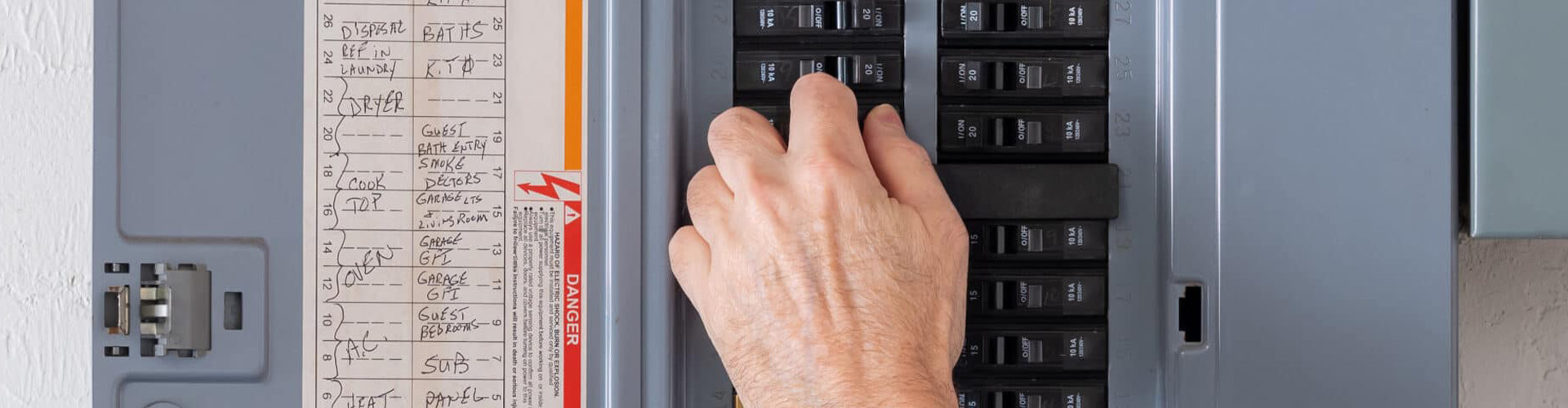
  2. Turn Off the Power Source: Go to your main electrical service panel (breaker box). Locate the circuit breaker corresponding to the affected area or room and switch it to the OFF This cuts power to the wiring, preventing further overheating or potential arcing.
  3. Assess the Severity: If the outlet or switch is extremely hot, sparking, smoking, or emitting a burning plastic smell, do not touch it. Leave the power off and call emergency services (like your local fire department’s non-emergency line or a 24-hour emergency electrician) immediately.
  4. Call a Pro: For any issue beyond a simple, cold, non-working outlet, you should contact a licensed electrician for a proper diagnosis and repair. A1 can usually provide same day service with a Master Electrician to repair the problem for you.

What Causes Dead Outlets and Warm Switches?

The underlying causes for these symptoms usually relate to wiring, load, or faulty components.

Common Causes of Dead Outlets:

  • Tripped GFCI Outlet: The most common and easiest fix. GFCI (Ground Fault Circuit Interrupter) outlets are usually found in kitchens, bathrooms, and garages and are designed to trip when they detect moisture or a fault. Press the “RESET” button firmly. If it doesn’t stay reset, there is a fault you need to address.
  • Tripped Circuit Breaker: Check your main electrical panel. A breaker might be in the “TRIPPED” (middle) position or fully “OFF.” Reset it only once.
  • Loose Wiring Connections: Over time, wire connections within the outlet box can loosen. This prevents power from reaching the receptacle.
  • A Faulty Outlet Itself: Outlets wear out with repeated use, especially the internal contacts that grip the plug.

Common Causes of Warm (or Hot) Switches/Outlets:

Warm components are a much more urgent problem, almost always caused by resistance and heat build-up.

  • Loose Connections (The #1 Culprit): This is the most frequent cause of overheating. A loose terminal screw on the side of the device creates high electrical resistance, which generates heat as electricity struggles to pass through the poor connection.
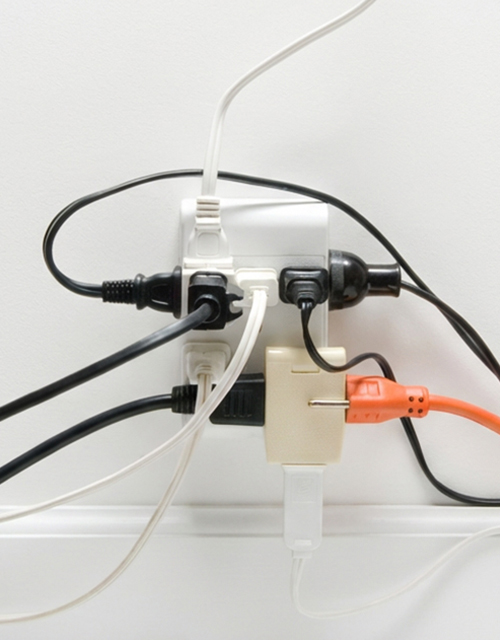
  • Overloading the Circuit: Trying to draw too much power through a single outlet or circuit than it is rated for, can cause wires and components to heat up.
  • Faulty Device: The internal mechanisms of the switch or outlet can fail, causing internal resistance and heat.
  • “Backstabbed” Wires: Many modern outlets have small holes in the back where you simply push the wire in. These connections are notorious for loosening over time and causing serious heat issues.

Why Wall Toggle Switches Fail

are mechanical devices that complete or break an electrical circuit using internal metal contacts. Over time, these contacts can degrade due to:

  • Friction and Repeated Use: Every flip of the switch causes wear on the internal components. Most residential switches are rated for thousands of cycles, but heavy use shortens their lifespan.
  • Pitted or Corroded Contacts: Arcing (tiny sparks) can occur when the switch is flipped, especially under load. This damages the contact surfaces, leading to poor conductivity and intermittent operation.
  • Loose or Worn Toggles: If the switch feels loose or doesn’t “click” firmly, the internal mechanism may be failing.
  • Audible Signs: Crackling, popping, or buzzing sounds when flipping the switch are red flags for electrical breakdown.
  • Heat or Discoloration: A warm switch or visible burn marks indicate serious electrical issues and potential fire risk.

The Risks of Ignoring the Problem

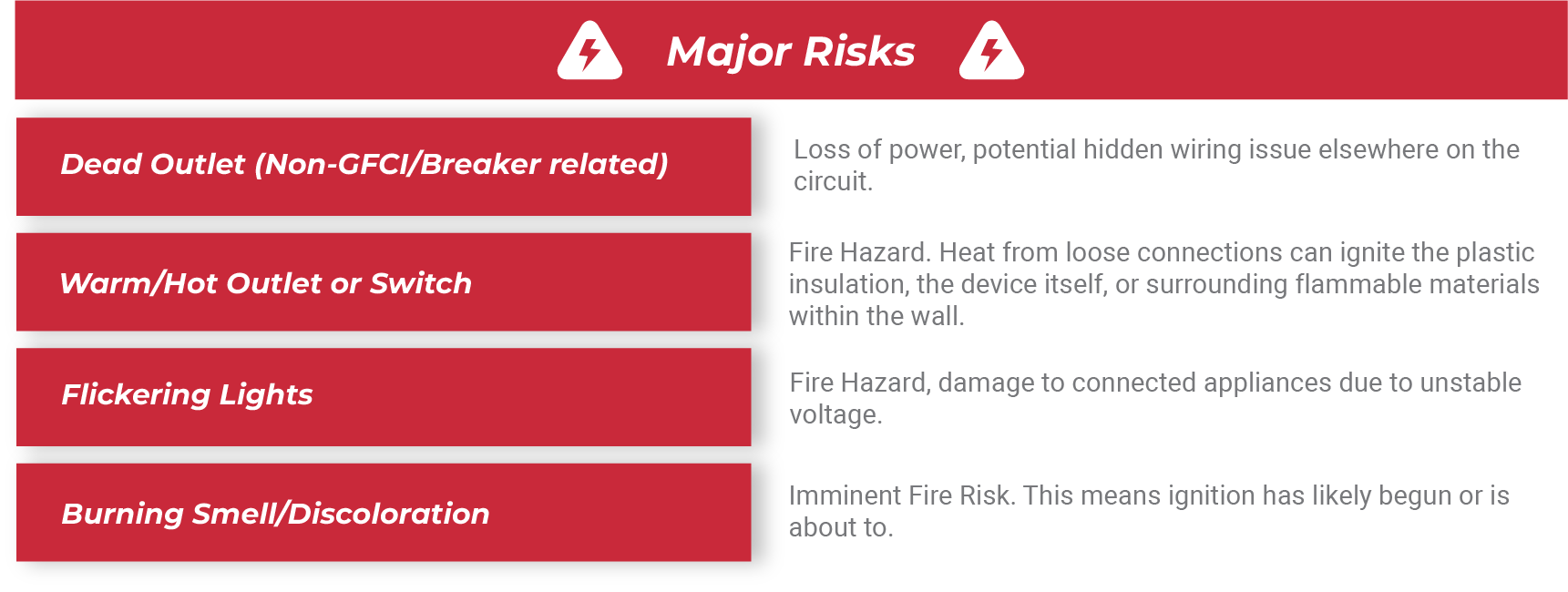
Ignoring a dead outlet might seem like a minor inconvenience, but ignoring a warm one is a serious safety gamble. The risks are substantial and potentially catastrophic.

A warm outlet is not just a sign of a hard-working appliance; it is a warning sign that materials within your walls are getting close to their ignition temperature.

When to Call in a Licensed Electrician

While you can safely check a tripped GFCI or reset a breaker, any issue requiring you to remove an outlet cover, touch wiring, or diagnose persistent heat needs a professional.

Electrical work requires a specific skill set and adherence to strict safety codes. For peace of mind and the safety of your home and family, please contact a licensed and insured electrician. At A1, we have the right tools to diagnose the fault safely and ensure all repairs are up to code.

Call A1 Air Conditioning & Heating at 647-560-9049 to schedule your diagnostic and
ensure your home is protected.