Blog

January 19, 2026

Why Do My Lights Flicker or Dim?

Electrical

Understanding the Causes, DIY Fixes, and When to Call an Electrician

Lighting is one of the most noticeable aspects of your home’s comfort and safety. So when your lights start flickering or dimming unexpectedly, it’s more than just an annoyance — it can be a sign of an underlying electrical issue.

While some causes are minor and easy to fix, others may point to serious hazards that require professional attention. Let’s break down the common reasons behind flickering lights, what you can safely do yourself, and when it’s time to call in a licensed electrician.
Common Causes of Flickering or Dimming Lights
  • Loose Bulbs or Fixtures
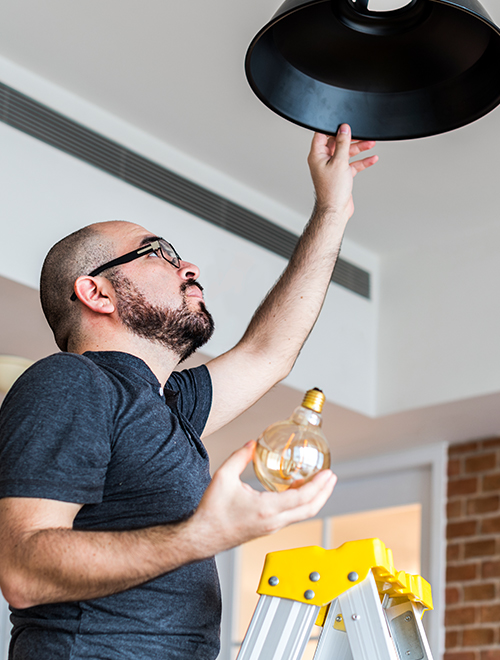
    The simplest culprit is often a bulb that isn’t screwed in tightly. A loose connection between the bulb and socket can cause intermittent flickering.
  • Faulty Light Switches
    Worn-out or poorly installed switches may fail to maintain a steady electrical connection, leading to inconsistent lighting.
  • Overloaded Circuits
    If lights dim when you turn on a major appliance (like a microwave or air conditioner), your circuit may be overloaded. This happens when too many devices draw power from the same line.
  • Loose Wiring Connections
    Behind the walls, loose or deteriorating wiring can cause lights to flicker. This is more serious, as faulty wiring is a leading cause of electrical fires.
  • Voltage Fluctuations
    If your lights dim or brighten randomly, it may indicate unstable voltage supply. This could stem from issues with your electrical panel or even utility service.

What You Can Do Yourself

Some flickering problems are simple enough for homeowners to troubleshoot safely:

  • Check the Bulb: Make sure the bulb is screwed in tightly. If it’s old or damaged, replace it with a new one
  • Try a Different Bulb Type: LED bulbs sometimes flicker if paired with incompatible dimmer switches. Swap the bulb or upgrade the dimmer to one designed for LEDs.
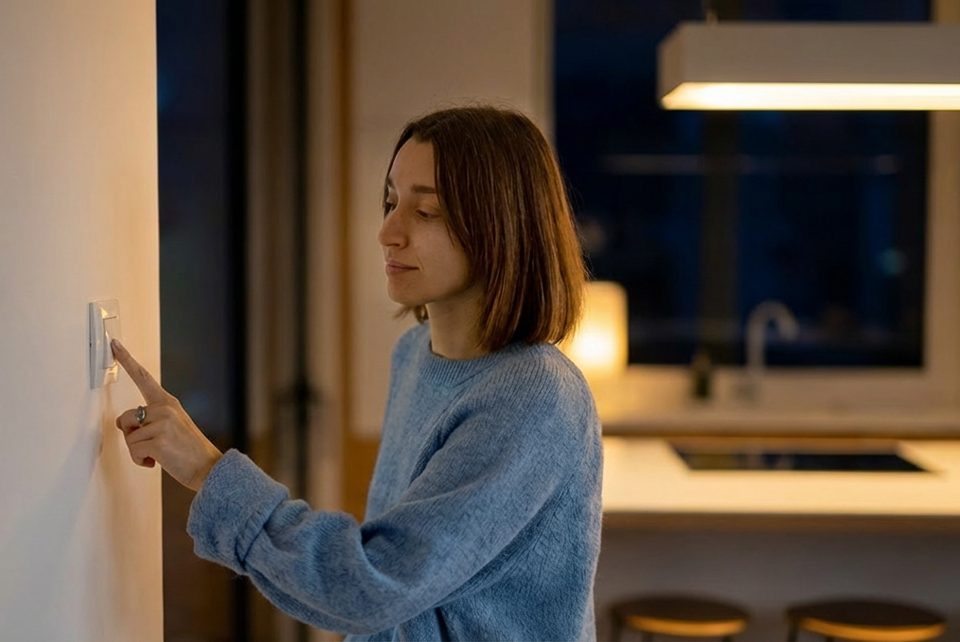
  • Test the Switch: Toggle the light switch a few times. If the flickering stops when you press firmly, the switch may be worn out and need replacing.
  • Reduce Circuit Load: If lights dim when appliances run, try plugging those appliances into different outlets on separate circuits.

⚠️ Important Note: Always turn off the power at the breaker before inspecting or replacing switches or fixtures. Safety first.

When to Call a Professional Licensed Electrician

While some fixes are DIY-friendly, many flickering issues signal deeper electrical problems that require expert handling:

  • Persistent Flickering Across Multiple Lights: If several lights in different rooms flicker, it’s likely a wiring or panel issue.
  • Burning Smell or Warm Switches: These are red flags for dangerous electrical faults. Stop using the circuit immediately and call an electrician.
  • Frequent Dimming During Appliance Use: This suggests your circuits aren’t adequately handling the load. An electrician can redistribute circuits or upgrade your panel.
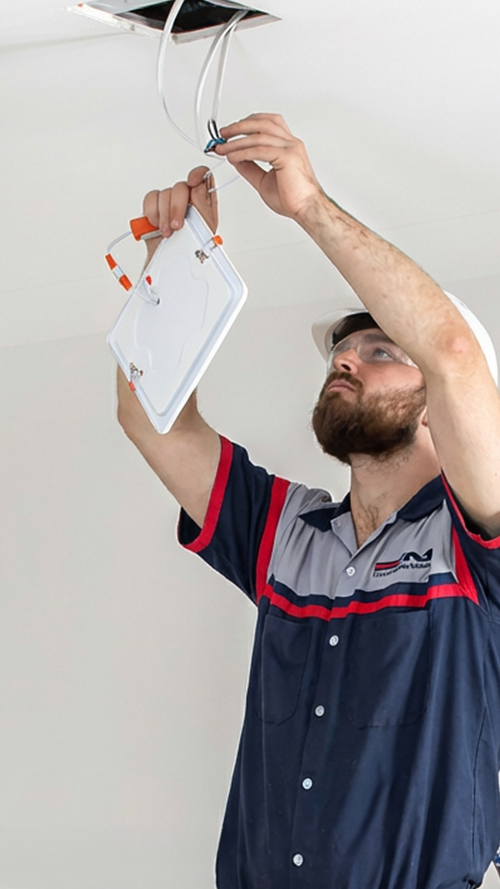
  • Loose or Damaged Wiring: Never attempt to repair wiring inside walls yourself. Licensed electricians have the tools and training to do this safely.
  • Unexplained Voltage Fluctuations: If your lights dim or brighten unpredictably, a professional can test your system and coordinate with the utility company if needed.
Safety Is Always the First Priority

Flickering or dimming lights may seem minor, but they’re often your home’s way of signaling an electrical issue. By checking simple fixes like bulbs and switches, you can rule out easy problems. But if the issue persists, don’t ignore it — electrical faults can escalate quickly into fire hazards. Calling a licensed electrician ensures your home remains safe, efficient, and well-lit.

Pro Tip for Homeowners:

Regular electrical inspections can catch small issues before they become big problems. Consider scheduling a professional check-up with A1 every few years, especially if your home is older or you’ve added new appliances. We are here to help!

Call A1 Air Conditioning & Heating at 647-560-9049 to schedule your diagnostic and
ensure your home is protected.