Blog

October 12, 2026

Fall Allergies Are Coming… Is Your HVAC Making Them Worse?

Duct Cleaning Furnace Filters Indoor Air Quality

Fall in Southern Ontario means cooler temperatures, changing leaves and, for many people, the return of seasonal allergy symptoms. As we close our windows, spend more time indoors and turn our heating systems back on, the quality of the air circulating through our homes becomes increasingly important.

Your HVAC system plays an important role in indoor air quality. The same system responsible for keeping your home comfortable also moves air throughout your living space. If filtration, airflow or ventilation aren’t working effectively, airborne particles can continue circulating through your home.

So, could your HVAC system be contributing to your fall allergy discomfort?
Start With Your Air Filter

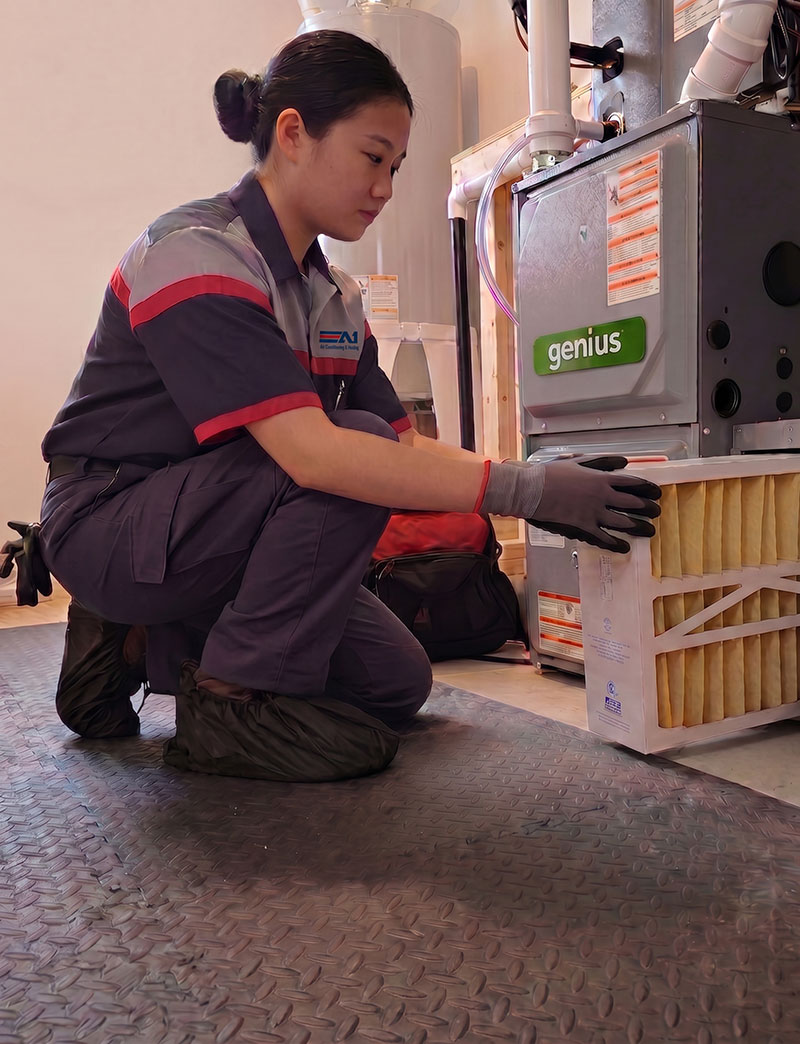
Your furnace filter is one of the simplest places to start.

Filters can help capture airborne particles such as dust, pollen and pet dander before they continue circulating through your HVAC system. Different filters have different MERV (Minimum Efficiency Reporting Value) ratings, which indicate their ability to capture particles.

However, a higher MERV rating isn’t automatically better for every home.

A filter that’s too restrictive for your HVAC system can reduce airflow and make the blower work harder. The best choice is a filter that provides effective filtration while remaining compatible with your specific system.

When Did You Last Change Your Filter?

Even the right filter can’t work effectively when it’s clogged.

Standard one-inch furnace filters generally require replacement every one to three months, although homes with pets, higher levels of dust or allergy concerns may need more frequent changes. Larger media filters can typically last longer, depending on the system and household.

Fall is a great time to check yours, especially before your furnace begins running regularly.

Think Beyond the Filter

Filtration is only one part of indoor air quality.

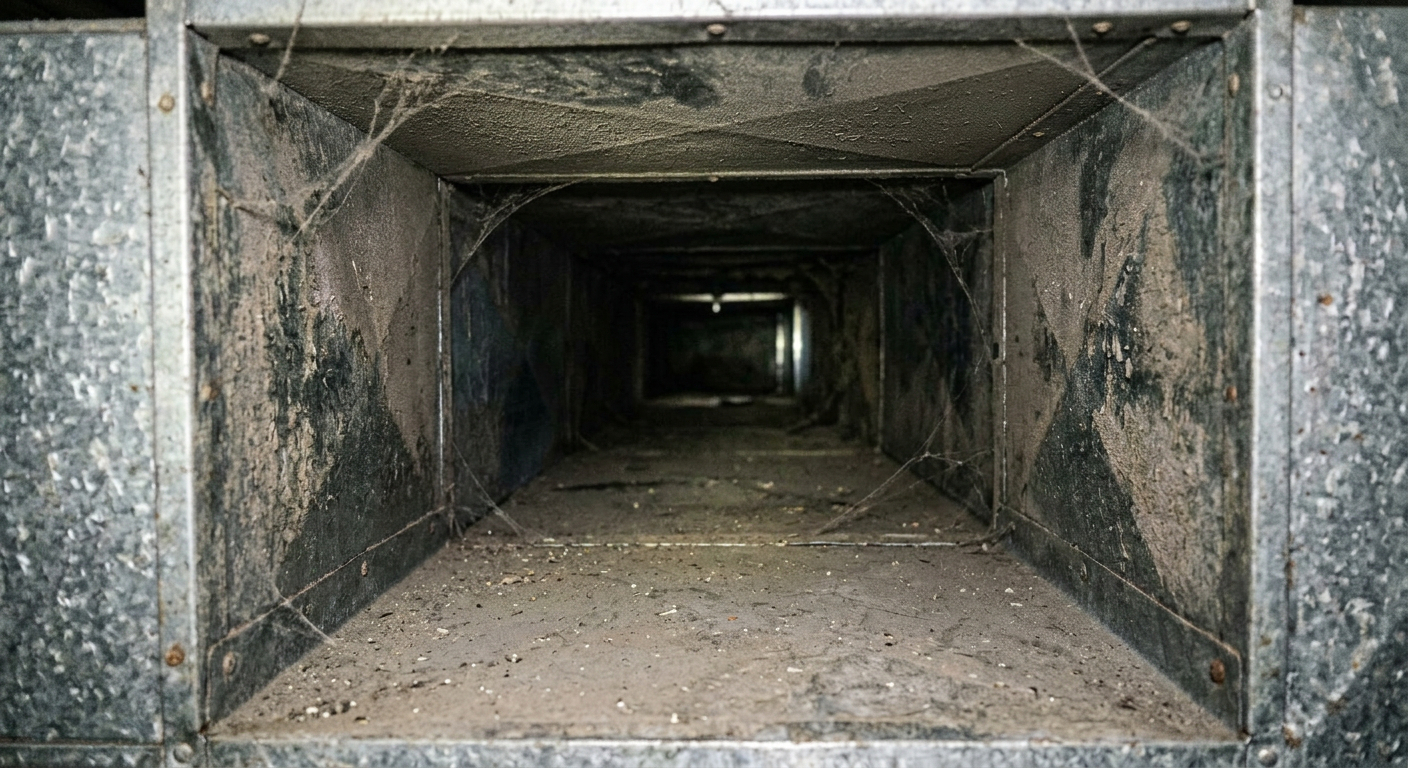
If you’ve recently completed renovations, experienced a pest problem or notice excessive dust or debris coming from your registers, it may be worth having your ductwork assessed to determine whether cleaning is necessary.

Ventilation is another important consideration. Modern homes can be tightly sealed, which is great for energy efficiency but can also allow pollutants and moisture to accumulate indoors.

An Energy Recovery Ventilator (ERV), for example, can help exchange stale indoor air for fresh outdoor air while recovering some of the heat from the outgoing air.

Breathe Easier This Fall

Improving indoor air quality isn’t necessarily about installing the strongest filter or adding a single piece of equipment. Your home’s filtration, airflow, ventilation and HVAC system all work together.

If your home feels unusually dusty or stuffy, or you’re wondering whether your current filtration system is right for your household, A1 can help.

Contact A1 Air Conditioning & Heating to discuss indoor air quality solutions that make sense for your home and HVAC system.