Blog

June 22, 2026

Summer Air Quality 101: Controlling Humidity, Mold, and Ventilation Like a Pro

Indoor Air Quality

When most homeowners think about summer comfort, the focus is usually on temperature. But there’s another factor that plays just as big of a role in how your home feels, and that’s air quality.

High humidity, poor ventilation, and hidden moisture can make your home feel sticky, uncomfortable, and even affect your health. However, with the right approach, you can stay ahead of it.

Here’s how to manage humidity, prevent mold, and improve ventilation this summer.

Why Humidity Matters More Than You Think

Humidity is the amount of moisture in the air and during a Canadian summer, it can rise quickly.

When indoor humidity is too high, you might notice:

  • A sticky or damp feeling in the air
  • Musty odours
  • Condensation on windows
  • Rooms that never quite feel cool

Your air conditioner naturally removes some humidity as it cools your home, but it’s not always enough, especially during extended heat waves.

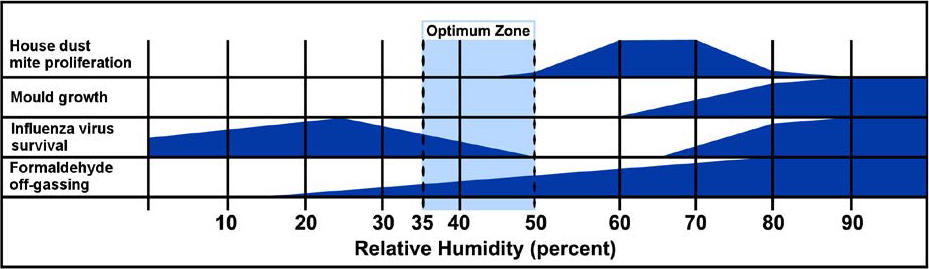
Ideally, your indoor humidity should stay below 50% in the summer and between 30-35% in the winter for optimal comfort and air quality, as per the recommendation from Health Canada.

The Link Between Humidity and Mold

Excess moisture creates the perfect environment for mold growth.

Mold can develop in areas like basements, bathrooms, and around vents, often without being immediately visible. Over time, it can impact indoor air quality and trigger allergies or respiratory issues.

The key to prevention is control:

  • Address excess humidity early
  • Fix leaks or moisture issues quickly
  • Ensure consistent airflow throughout your home

Keeping humidity in check is one of the most effective ways to reduce the risk of mold.

Ventilation: The Missing Piece

Even with a well-functioning AC system, poor ventilation can trap stale, humid air inside your home.

Proper ventilation helps:

  • Remove excess moisture
  • Bring in fresh air with the help of an ERV
  • Balance airflow between rooms

Simple steps like using bathroom and kitchen exhaust fans, or opening windows during cooler times of day, can help improve circulation. For many homes — especially newer or more tightly sealed ones — a dedicated ventilation system, such as an ERV, can make a significant difference in maintaining consistent indoor air quality.

For many homes, especially newer or more tightly sealed ones, a dedicated ventilation system can make a significant difference in maintaining consistent air quality.

Practical Ways to Improve Summer Air Quality

If your home feels heavy or humid, a few adjustments can go a long way:

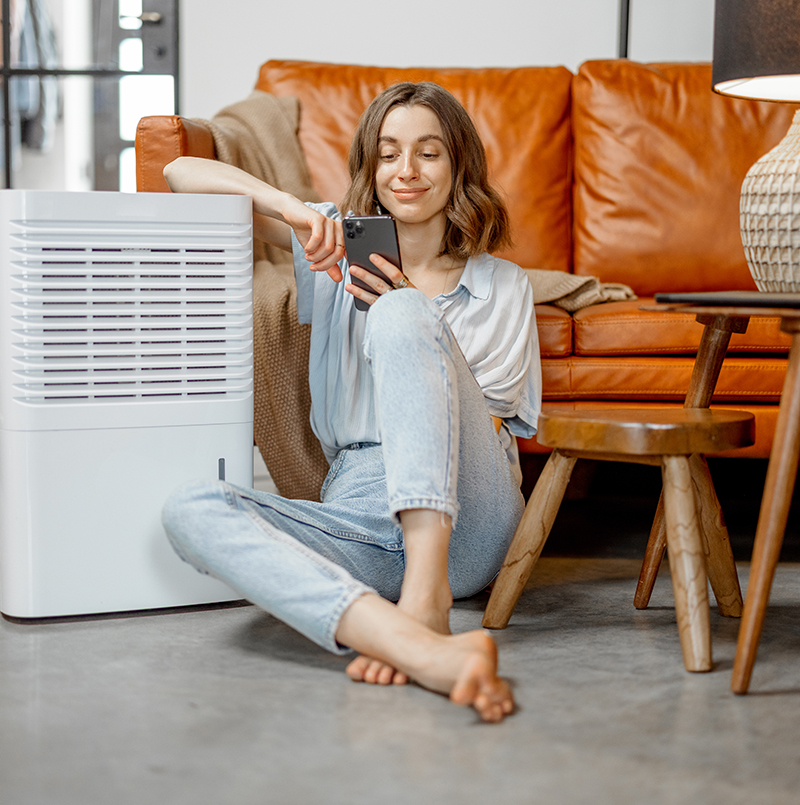
  • Use a dehumidifier in problem areas like basements
  • Keep your AC system maintained to ensure it’s removing moisture effectively
  • Whole Home dehumidifiers can make warmer temperatures feel more comfortable, saving you energy by letting your air conditioner run less
  • Check and replace air filters regularly to support proper airflow
  • Avoid setting you r thermostat too low, which can lead to short cycling and reduced humidity control
  • Ensure vents are open and unobstructed to maintain balanced airflow

These small changes help your system work more efficiently while improving overall comfort.

Comfort Goes Beyond Temperature

A home that’s cool but humid can still feel uncomfortable. Managing air quality is about creating a space that feels fresh, balanced, and healthy.

If you’re noticing persistent humidity, uneven airflow, or concerns about indoor air quality, it may be time to take a closer look at your system.

The team at A1 Air Conditioning & Heating can help assess your setup and recommend solutions that keep your home comfortable all summer long.