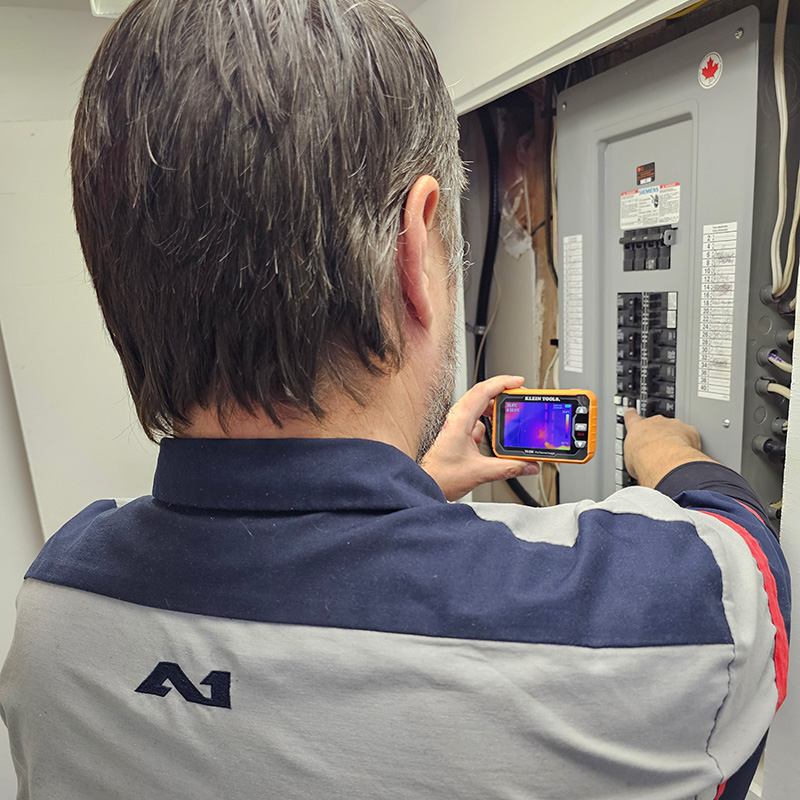
Your electrical panel is the heart of your home’s electrical system. It distributes power to everything, from your lights and appliances to your HVAC system and devices. But like any system in your home, it doesn’t last forever.
An outdated or overloaded electrical panel isn’t just inconvenient, it can be a serious safety risk. If you’re unsure whether your panel is keeping up with your home’s needs, here’s what to look for before small issues turn into bigger (and more expensive) problems.
What Does an Electrical Panel Do?
Your panel (sometimes called a breaker panel) controls how electricity flows throughout your home. It’s designed to safely handle a certain amount of electrical demand.
The problem? Most older homes weren’t built for today’s energy usage, think EV chargers, home offices, high-powered appliances, and smart home technology. If your panel hasn’t been updated, it may be struggling to keep up.
Signs It Might Be Time for an Upgrade
1. Your breakers trip frequently
If your breakers are constantly tripping, it’s a sign your system is overloaded. While the breaker is doing its job (preventing overheating), frequent trips mean your panel can’t handle your current electrical demand.
2. You still have a fuse box
Fuse boxes are outdated and not designed for modern energy needs. If your home still relies on fuses instead of circuit breakers, it’s time to consider an upgrade.
3. Lights flicker or dim
Notice your lights dimming when you turn on appliances? This could indicate your panel is struggling to distribute power evenly.
4. You’re planning a renovation or adding new appliances
Upgrading your kitchen, installing a hot tub, or adding an EV charger? These all increase your electrical load. Your current panel may not have the capacity to support it safely.
5. Burning smells or heat around the panel
This is a major red flag. If your panel feels warm, smells like burning, or shows signs of corrosion, it should be inspected immediately.
6. You’re running out of breaker space
If your panel is full and you’re using extensions or workarounds to add more circuits, it’s a clear sign you’ve outgrown your system.
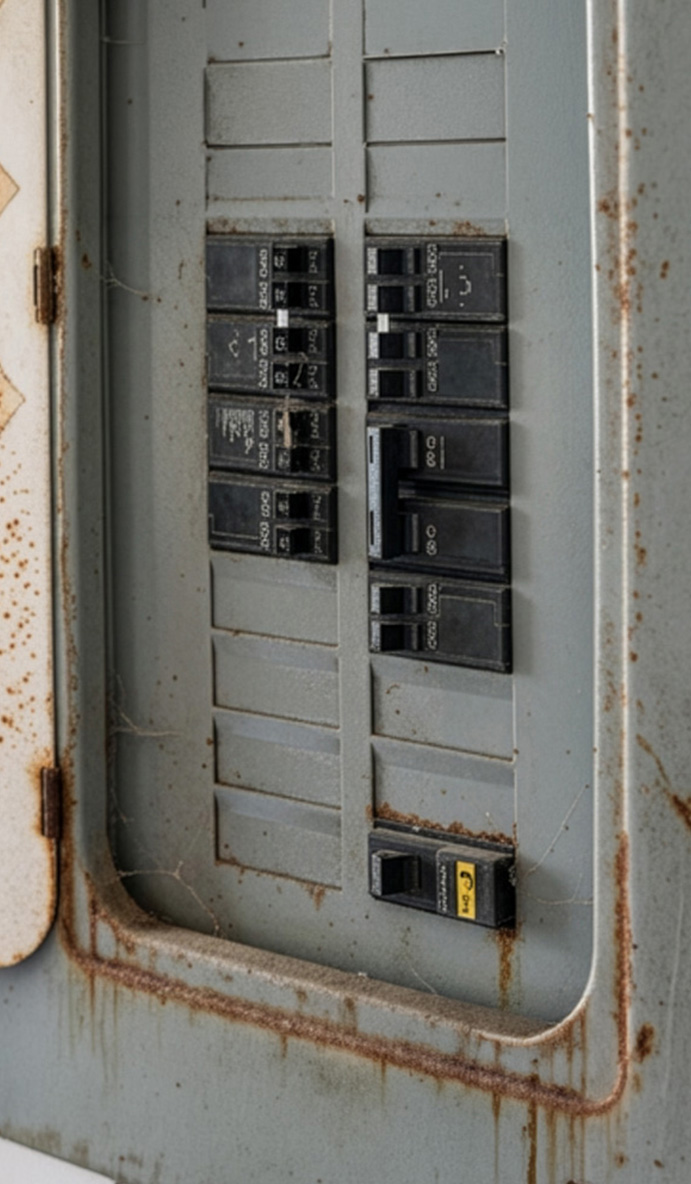
Why Upgrading Matters
An electrical panel upgrade isn’t just about convenience, it’s about safety, efficiency, and future-proofing your home.
● Improved safety: Reduces the risk of electrical fires and overheating
● Increased capacity: Supports modern appliances and technology
● Better performance: More consistent, reliable power throughout your home
● Home value: Updated electrical systems are a strong selling point
What Does an Upgrade Involve?
Most panel upgrades involve replacing your existing panel with a higher-capacity system (commonly 100 to 200 amps or more, depending on your home’s needs).
A licensed electrician will assess your current setup, determine your power requirements, and ensure everything is installed safely and up to code.
Your electrical panel might not be something you think about often—but when it starts showing signs of strain, it’s not something to ignore.
Upgrading your panel before issues escalate can save you from costly repairs, protect your home, and ensure your electrical system is ready for how you live today.