Blog

November 23, 2026

Carbon Monoxide and Furnace Safety: What Every Homeowner Must Know

Heating/Furnace

When temperatures drop in Southern Ontario, our furnaces can run for hours every day. While your heating system keeps your home comfortable, fuel-burning equipment also needs to operate and vent properly.

Carbon monoxide (CO) is an invisible, tasteless and odourless gas produced when fuels such as natural gas, propane, heating oil or wood don’t burn completely.

Because you can’t see, smell or taste carbon monoxide, understanding furnace safety and maintaining working CO alarms is essential.
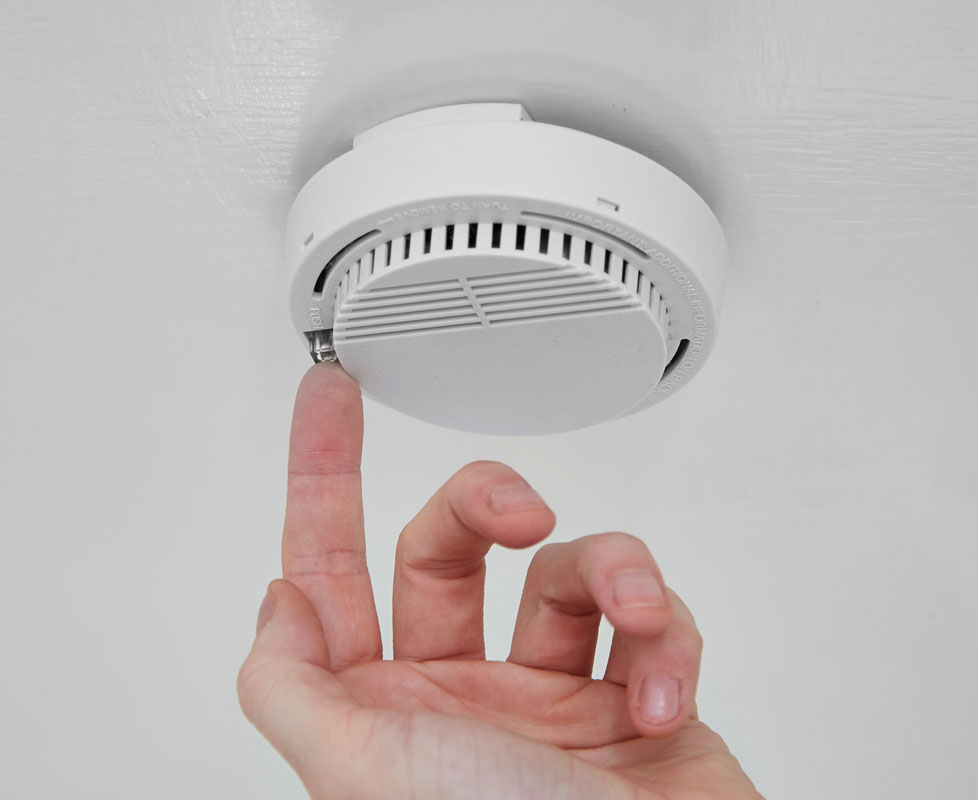
Make Sure Your Carbon Monoxide Alarms Are Working

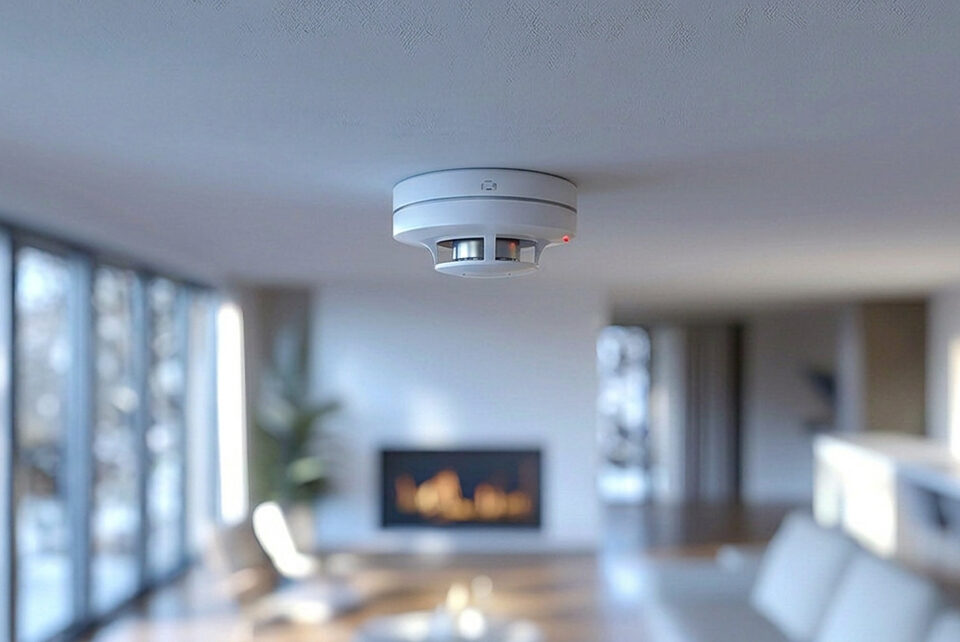
A working CO alarm is the only way to detect carbon monoxide in your home.

Ontario’s requirements for existing homes expanded on January 1, 2026. In houses where CO alarms are required — including homes with a fuel-burning appliance, fireplace or attached garage — alarms must be installed adjacent to each sleeping area and on every storey of the home.

Test your CO alarms monthly, replace batteries as required and replace the alarms themselves according to the manufacturer’s instructions.

If a CO alarm sounds, get everyone outside immediately and call 911 or your local emergency services number from outside the building.

Keep Your Furnace Vents Clear

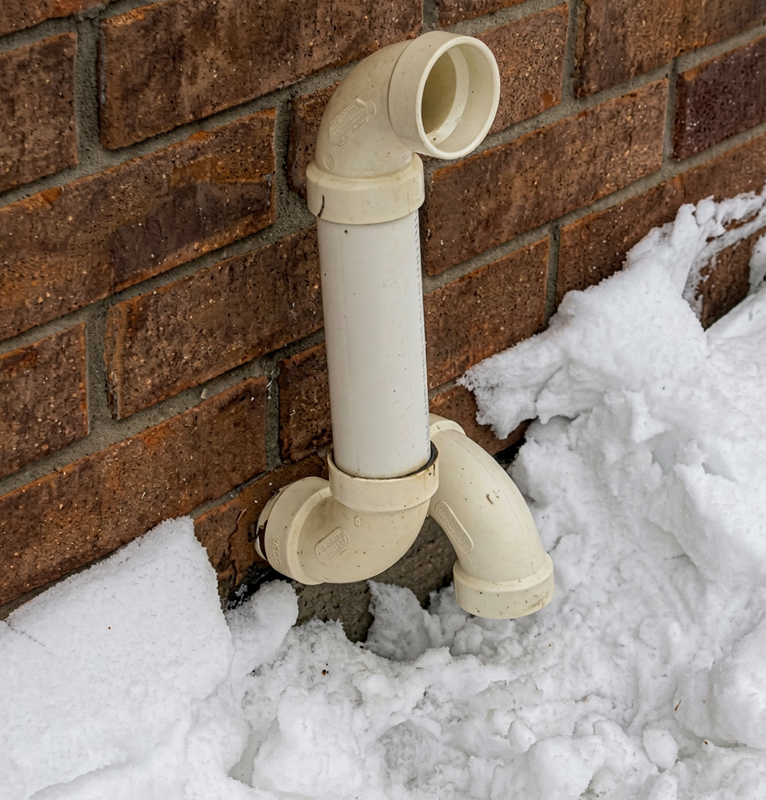
High-efficiency furnaces typically use exterior pipes to bring combustion air into the system and vent combustion gases outside.

During a Southern Ontario snowstorm, these pipes can become blocked by accumulating or drifting snow.

Check your exterior furnace vents regularly throughout the winter, particularly after significant snowfall, and keep them clear of snow and debris. Never intentionally block, cover or redirect a furnace exhaust.

Know Your Furnace Emergency Switch

Your furnace also has a dedicated emergency shutoff switch.

It often looks like a regular light switch and may be located beside the furnace, near the furnace room entrance or at the top of the basement stairs.

Every adult in the household should know where it is.

Don't Ignore Unusual Furnace Behaviour

Unusual furnace behaviour deserves attention.

For example, a loud bang or boom when the furnace starts can have several possible causes, including delayed ignition. Repeated ignition problems should be professionally inspected rather than ignored.

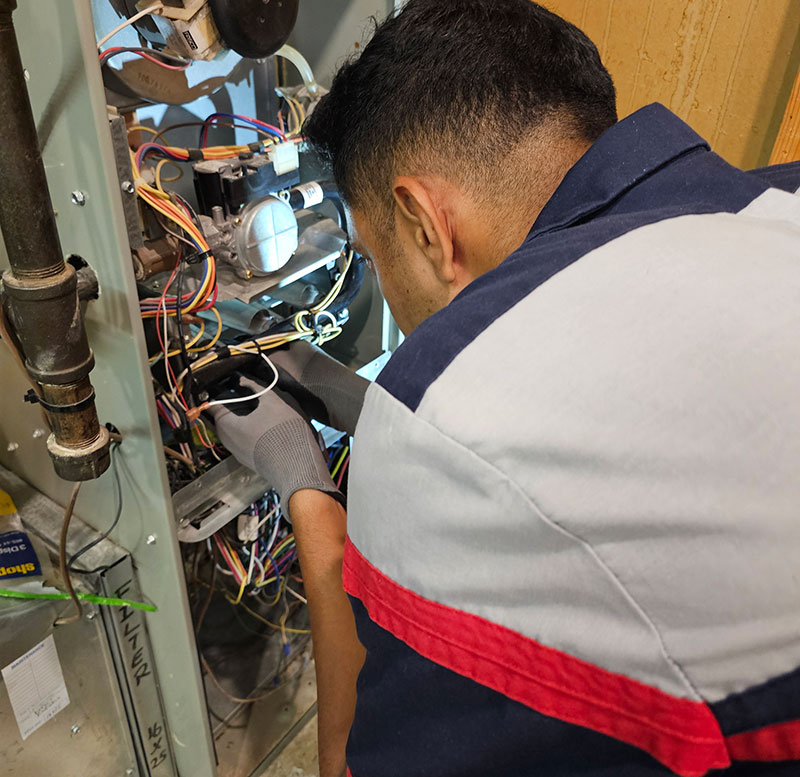
Regular professional maintenance can also help identify problems with fuel-burning equipment and venting before they become more serious.

Make Furnace Safety Part of Your Winter Routine

Before heating season, have your fuel-burning equipment inspected by a qualified professional.

Throughout the winter, keep exterior vents clear and make sure your CO alarms remain operational.

If your furnace is behaving unusually, repeatedly shutting down or you’re concerned
about its operation, contact A1 Air Conditioning & Heating for professional service.
If your CO alarm sounds or you suspect carbon monoxide in your home, get everyone
outside immediately and call 911 or your local emergency services number from outside the building.